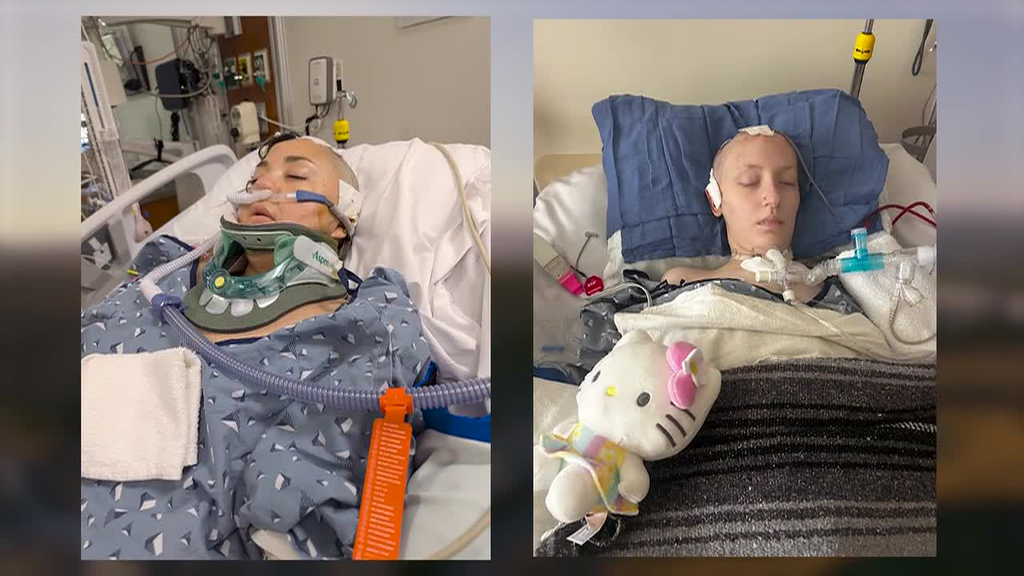
I have always enjoyed visiting Six Flags. The parks have generally been fun, affordable, and easy to revisit thanks to the number of locations throughout California. Roller coasters are supposed to provide a few minutes of excitement and adrenaline. Recently, however, some of the headlines coming out of Six Flags have made me wonder whether certain attractions are beginning to push the limits of what riders should reasonably expect. Years ago, I rode X2 at Six Flags Magic Mountain. It remains one of the most technologically ambitious roller coasters ever built, with rotating seats designed to create a “four-dimensional” experience. Yet the same forces that make the ride unique have also placed it under scrutiny. Multiple lawsuits now allege that riders suffered traumatic brain injuries after riding X2, with attorneys claiming that more than 100 people have come forward with similar complaints. Whether those allegations ultimately hold up in court remains to be seen, but they are difficult to ignore.
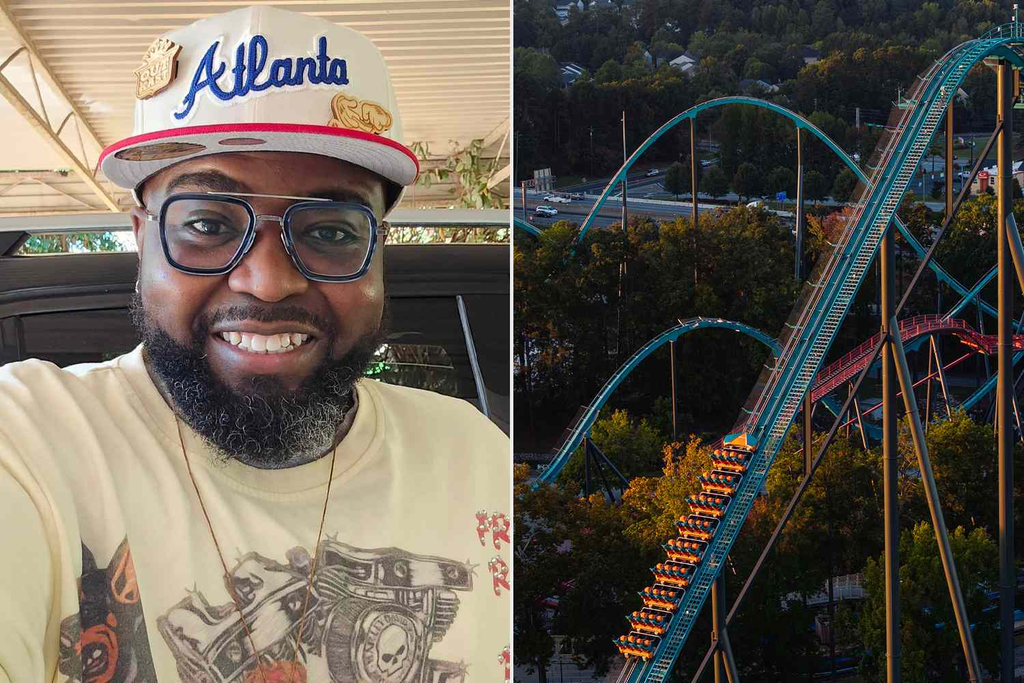
I have also ridden Twisted Colossus, another ride that ranks near the top of Magic Mountain’s thrill scale. Experiences like that are part of the reason people visit amusement parks in the first place. Riders willingly accept a certain amount of risk in exchange for excitement. The question is where that line should be drawn. Recent events have only added to that concern. In Georgia, a rider was reportedly ejected from the Goliath roller coaster and killed, while several others were injured. Investigators are still working to determine exactly what happened. Unfortunately, this is not the first tragedy associated with a Six Flags coaster. In 2013, Rosy Esparza was killed after being ejected from the Texas Giant at Six Flags Over Texas, falling approximately 75 feet during the ride. The incident renewed questions about rider restraints and amusement ride safety.
To be fair, roller coasters remain statistically safe, and millions of people ride them each year without incident. Still, reports of alleged brain injuries, rider ejections, and fatalities naturally raise questions about whether additional safeguards are possible. Restraint systems have become increasingly sophisticated, but most guests never see the inspection and maintenance processes operating behind the scenes. One relatively simple improvement could be greater transparency. Imagine major attractions displaying the date of their most recent inspection, the next scheduled inspection, and whether significant maintenance was recently completed. Similar information is commonly displayed for elevators and other regulated equipment. While such measures would not eliminate risk, they could provide guests with greater reassurance that safety remains an ongoing priority.
When serious incidents make headlines, public confidence can erode quickly. Visible evidence of inspections, maintenance, and safety oversight could help reassure visitors that the industry takes those responsibilities seriously. No mechanical system can ever be completely risk-free, but riders placing their trust in these attractions deserve confidence that safety is being continually evaluated and maintained. Still, it is difficult not to ask an uncomfortable question: At what point does the pursuit of a bigger thrill begin to outweigh the value of the experience itself? For me, the issue is no longer whether a coaster is thrilling enough. It is whether the industry’s pursuit of increasingly extreme experiences is being matched by an equally visible commitment to safety and transparency.


